


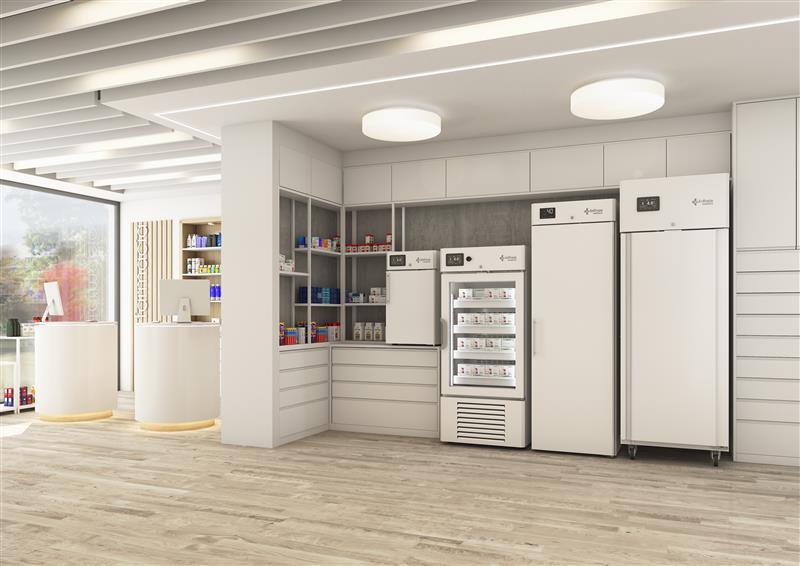
How to choose a laboratory and pharmacy refrigerator or freezer: compliance and audit checklist
What no one explains to you – and what an auditor will definitely ask for.
Choosing a refrigerator or freezer for a laboratory or pharmacy is not a standard purchase. These units are a direct part of the quality system, regulatory compliance and patient safety. In this checklist, we explain what a biomedical refrigeration unit must meet to pass audits and ensure full traceability.
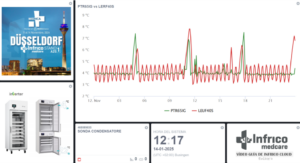
In an audit, no one will ask whether the equipment “cooled properly”. They will ask for data, records and alarms. And if you cannot prove it, then for the auditor, it simply did not happen.
The real problem: it’s not the temperature, it’s the evidence.
Most failures in biomedical refrigeration equipment do not occur because the required temperature range is not reached, but due to a lack of records, missing alarms or regulatory non-compliance. This can lead to the loss of medicines, vaccines or biological samples, as well as serious non-conformities during an inspection.
Many professionals only become aware of this issue when they are already facing an audit. By that point, changing teams is no longer a quick or straightforward option.
Checklist for Purchasing a Laboratory Refrigerator or Freezer
A checklist allows you to anticipate risks, compare equipment with discernment, and make decisions based on compliance and safety rather than assumptions. It is not an optional document: it is a key tool to protect your operations, your patients, and your professional reputation.
Regulatory Compliance in Biomedical Refrigeration
A laboratory or pharmacy refrigerator or freezer must be specifically designed for biomedical use. This entails compliance with Good Distribution Practices (GDP), Good Laboratory Practices (GLP), and the recommendations of official organisations such as the World Health Organization (WHO).
In addition, when equipment forms part of the preservation chain for medical products or critical samples, it is particularly important that the manufacturer operates under ISO 13485. This international standard sets out the requirements for quality management systems in the manufacture of medical devices and requires rigorous controls in design, production, traceability and risk management throughout the entire product life cycle. Its application ensures that equipment used in clinical or laboratory environments is developed under documented and controlled processes, aligned with the regulatory requirements of the healthcare sector.
In the context of biomedical refrigeration, this translates into greater equipment reliability, improved risk management and increased confidence that the storage conditions critical for medicines, vaccines or biological samples are maintained safely and in compliance with regulatory requirements.
Temperature Control and Stability in Pharmacy Refrigerators
In this sector, it is not enough to operate within a range such as 2–8 °C. The temperature must remain stable and uniform throughout the interior of the equipment, even with frequent door openings or environmental fluctuations. Thermal stability is crucial for preserving the efficacy of medicines and samples.

Alarms in Biomedical Refrigerators
A good biomedical refrigeration system must include visual, audible, and remote alarms. Alerts for temperature deviations, power failures, or open doors allow timely action to prevent irreversible losses. Alarms are not an extra feature: they are a critical safety requirement.
Standards such as DIN 13277, specifically developed for refrigerators used in pharmacy and medical applications, reinforce this requirement. This standard requires visual and acoustic alarm systems in the event of temperature deviations and power supply failures, as well as the ability to record internal temperatures and alarm history. It also specifies that equipment must incorporate a backup battery that keeps the control system and event logging active even during a mains power failure, ensuring the traceability of storage conditions and enabling alerts to be issued for at least several hours after the power outage.
Such requirements ensure that medicines, vaccines and sensitive samples can be kept within controlled conditions and that any incident is documented, facilitating risk management and compliance with regulatory audits.
Connectivity and Remote Monitoring
Full traceability is no longer a competitive advantage but a requirement. Being able to access data in real time, review historical records, and monitor equipment remotely facilitates regulatory compliance and provides invaluable peace of mind for the person responsible for the equipment.
IQ, OQ, PQ Validation and Technical Support
Equipment design also matters. Locking systems, hygienic interior materials, and proper internal layout help prevent cross-contamination and protect both the product and healthcare personnel.
Validation, Calibration, and Specialist Technical Support
Before purchasing, it is essential to confirm that the equipment can be calibrated and validated (IQ, OQ, PQ) and that specialist technical support is available. The real test does not come on the day of installation, but when an incident occurs or when an auditor requests documentation.
The Key Question Before Deciding
Before finalising the purchase, ask yourself this question: do you want a refrigerator, or do you want compliance, peace of mind, and evidence?
When the audit arrives, the only thing that will matter is what you can demonstrate.
Infrico Medcare: evidence-based biomedical refrigeration
At Infrico Medcare, we design solutions that go beyond refrigeration. Our equipment combines certified quality, precise temperature control, and full traceability via Infrico Cloud, allowing laboratories and pharmacies to focus on what truly matters: caring for people.
Speak with a biomedical refrigeration specialist today and ensure the optimal performance of your equipment—hassle-free.